
How Intervoke Created a 3D Medical Device Animation for LivaNova
Discover how Intervoke partnered with LivaNova to create a cinematic 3D medical device animation, visualizing hypoglossal nerve stimulation through scientifically accurate anatomy and compelling visual storytelling.
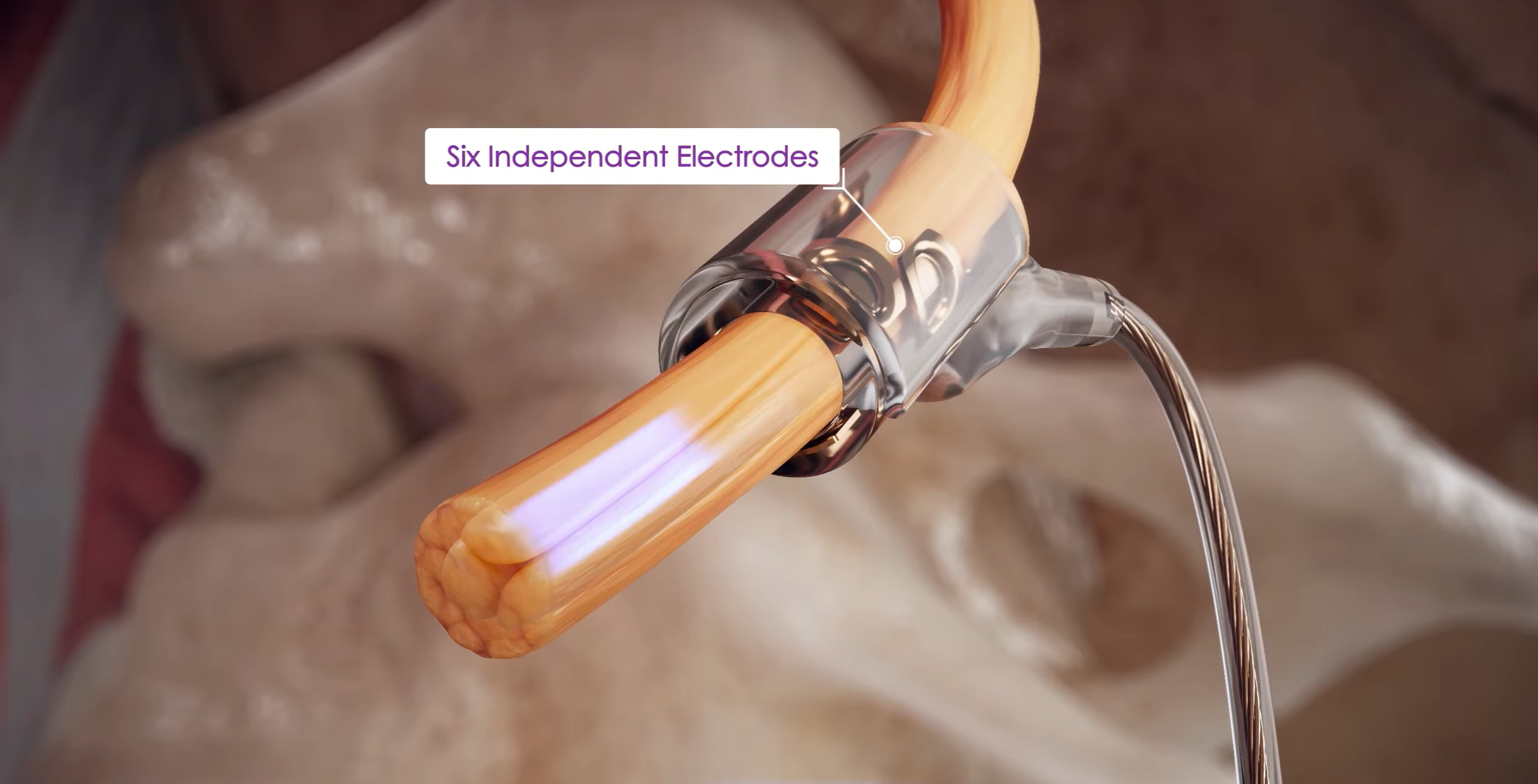
Case Study / Medical Device Animation
Creating a scientifically accurate medical device animation requires more than realistic 3D imagery. It takes an understanding of human anatomy, device engineering, therapeutic function, and the visual storytelling techniques needed to explain complex technology clearly.
For LivaNova, Intervoke created a cinematic 3D medical device Mechanism of Action (MoA) animation illustrating proximal hypoglossal nerve stimulation (pHGNS), an implantable neurostimulation approach developed for obstructive sleep apnea (OSA). The project shows how an experienced medical animation studio can translate sophisticated science into a cohesive visual story.
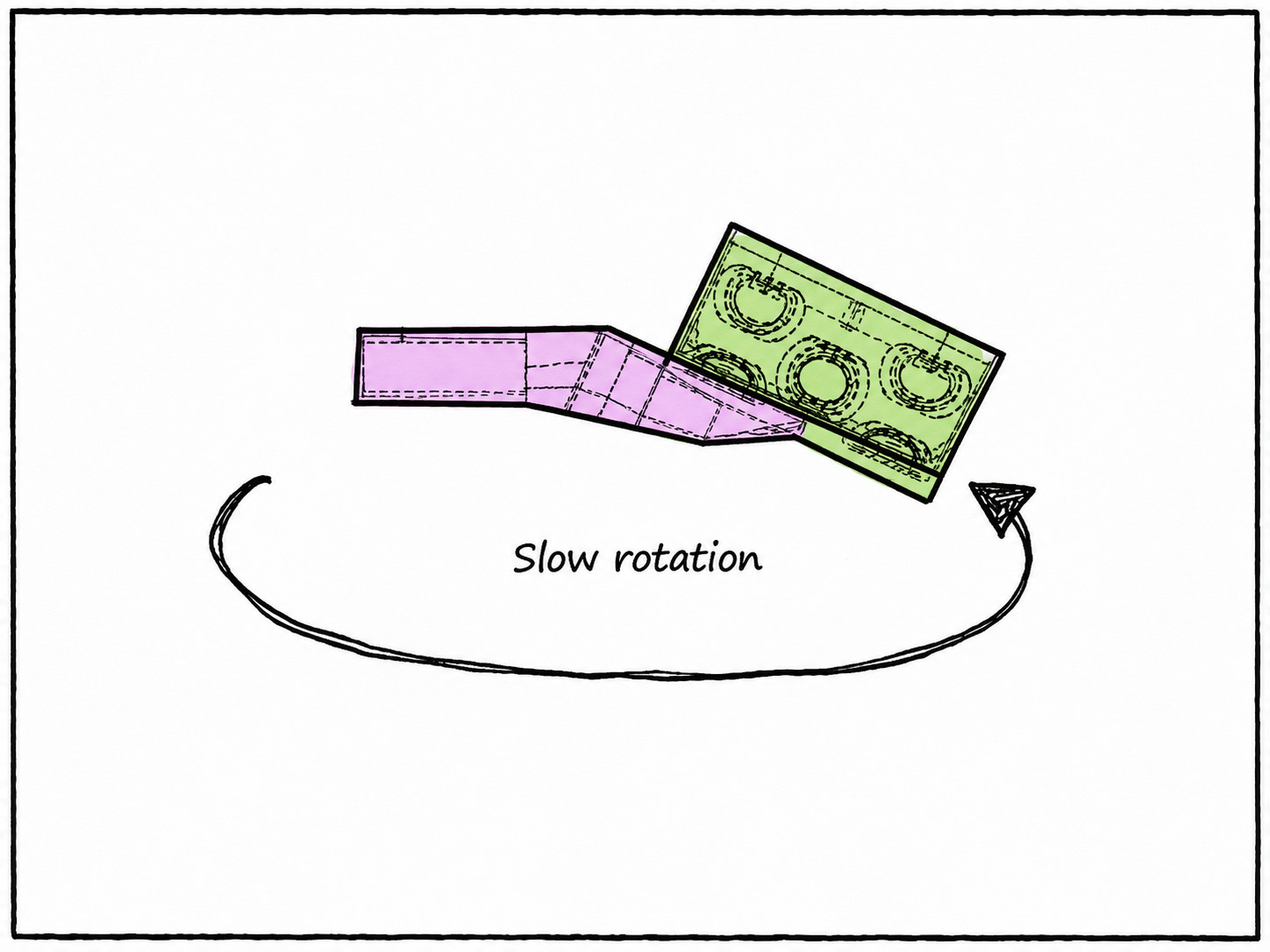
Storyboard: proposed introductory exploration of the electrode cuff and lead assembly.
The Challenge: Visualizing Obstructive Sleep Apnea
Obstructive sleep apnea occurs when the upper airway narrows or collapses during sleep, interrupting breathing. Explaining why this happens requires showing the relationship between airflow, the tongue, and surrounding airway structures that are difficult to capture with live-action photography.
The LivaNova storyboard begins with normal breathing and then moves to airway obstruction. That contrast establishes the clinical problem before introducing the anatomy and device technology.
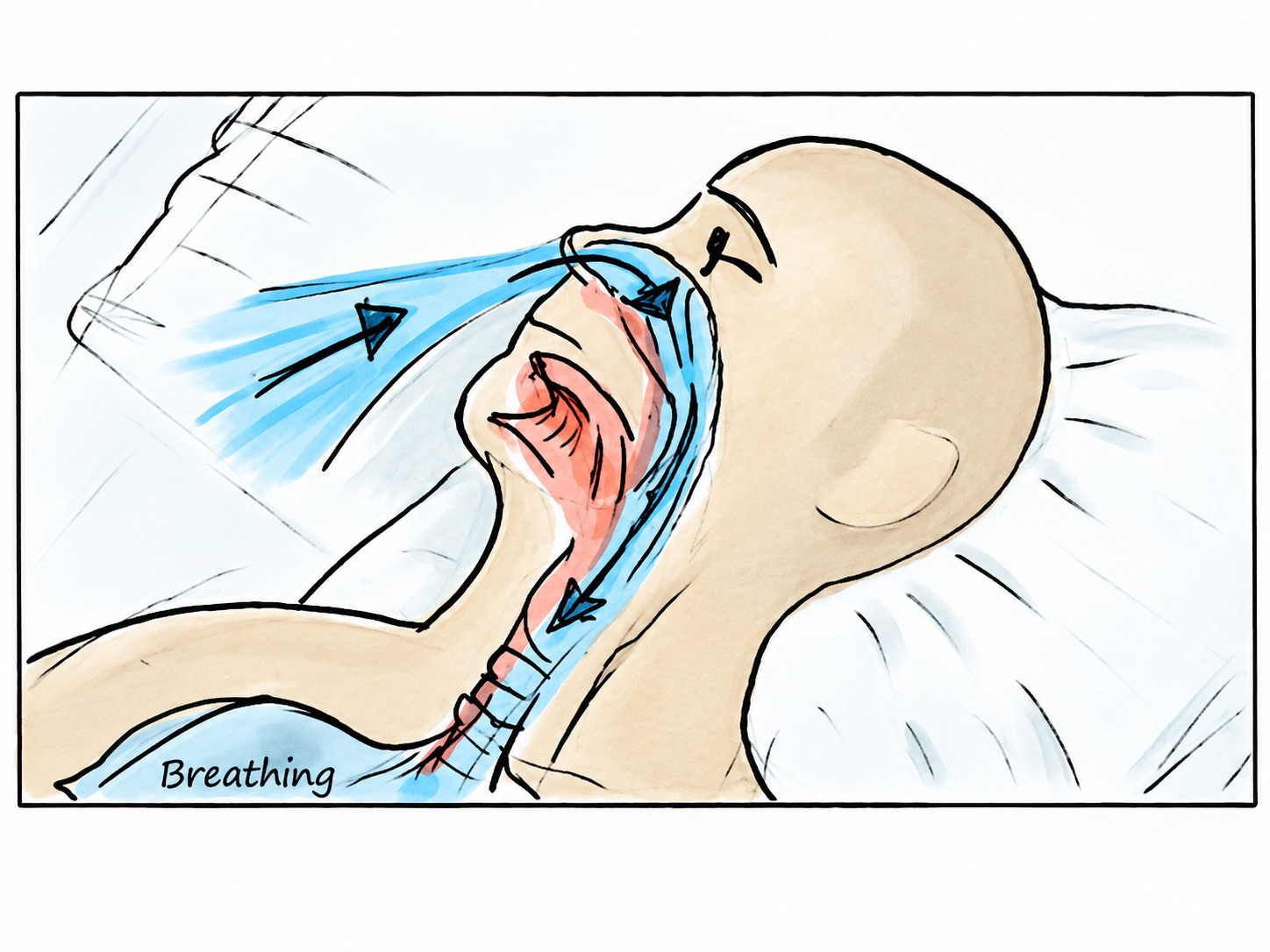
Storyboard: normal breathing and airflow through the upper airway.
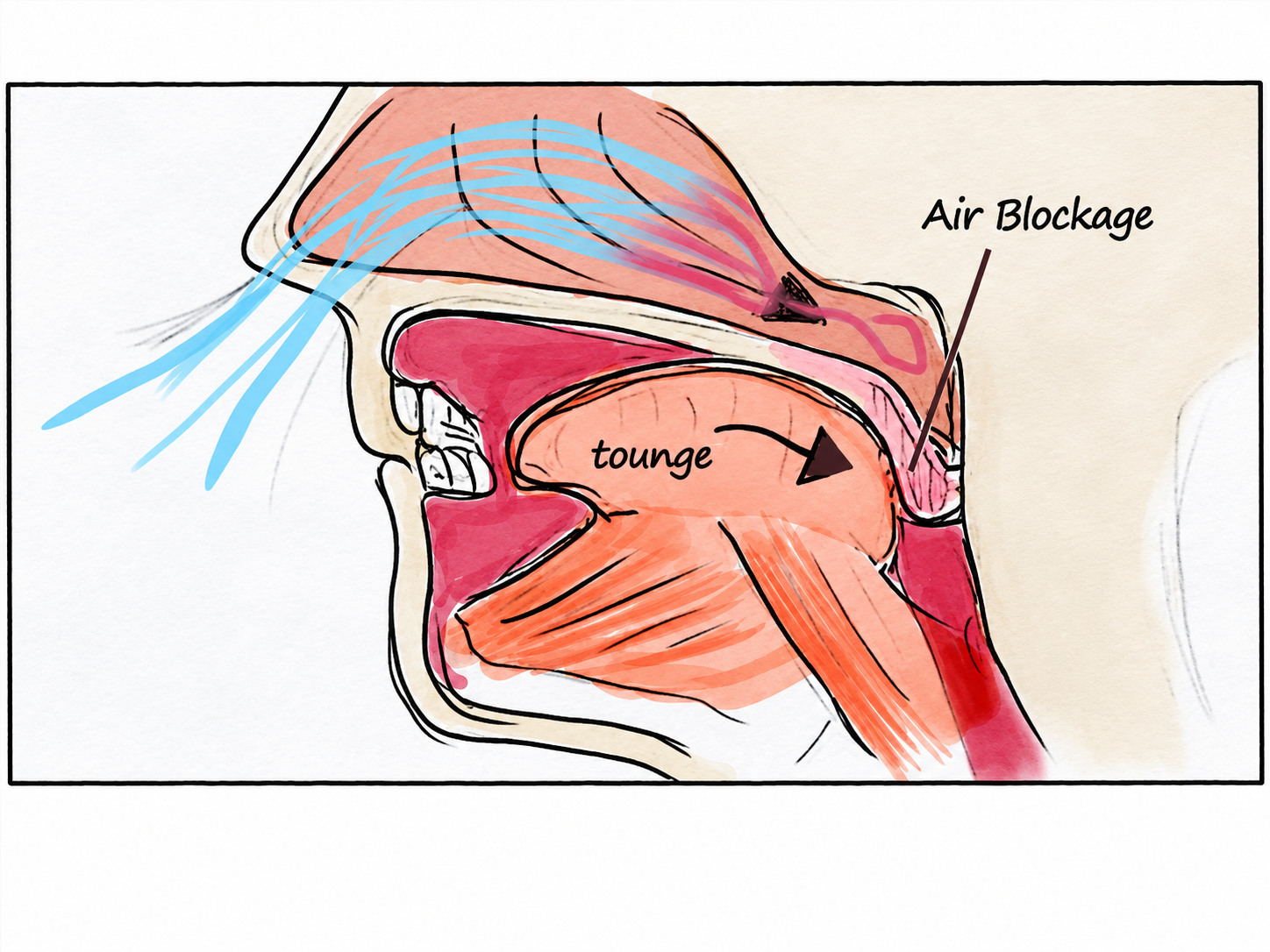
Storyboard: the tongue moves backward and obstructs airflow during sleep.
Developing the Scientific Story Through Storyboarding
Intervoke’s hand-drawn storyboard established the sequence, composition, anatomical views, and visual emphasis before detailed 3D animation. These early illustrations provided a shared way to discuss the medical concepts and creative direction with LivaNova.
The sequence progresses from the obstructed airway to the tongue’s complex muscle anatomy and the hypoglossal nerve. This makes the following explanation of targeted stimulation easier to understand.
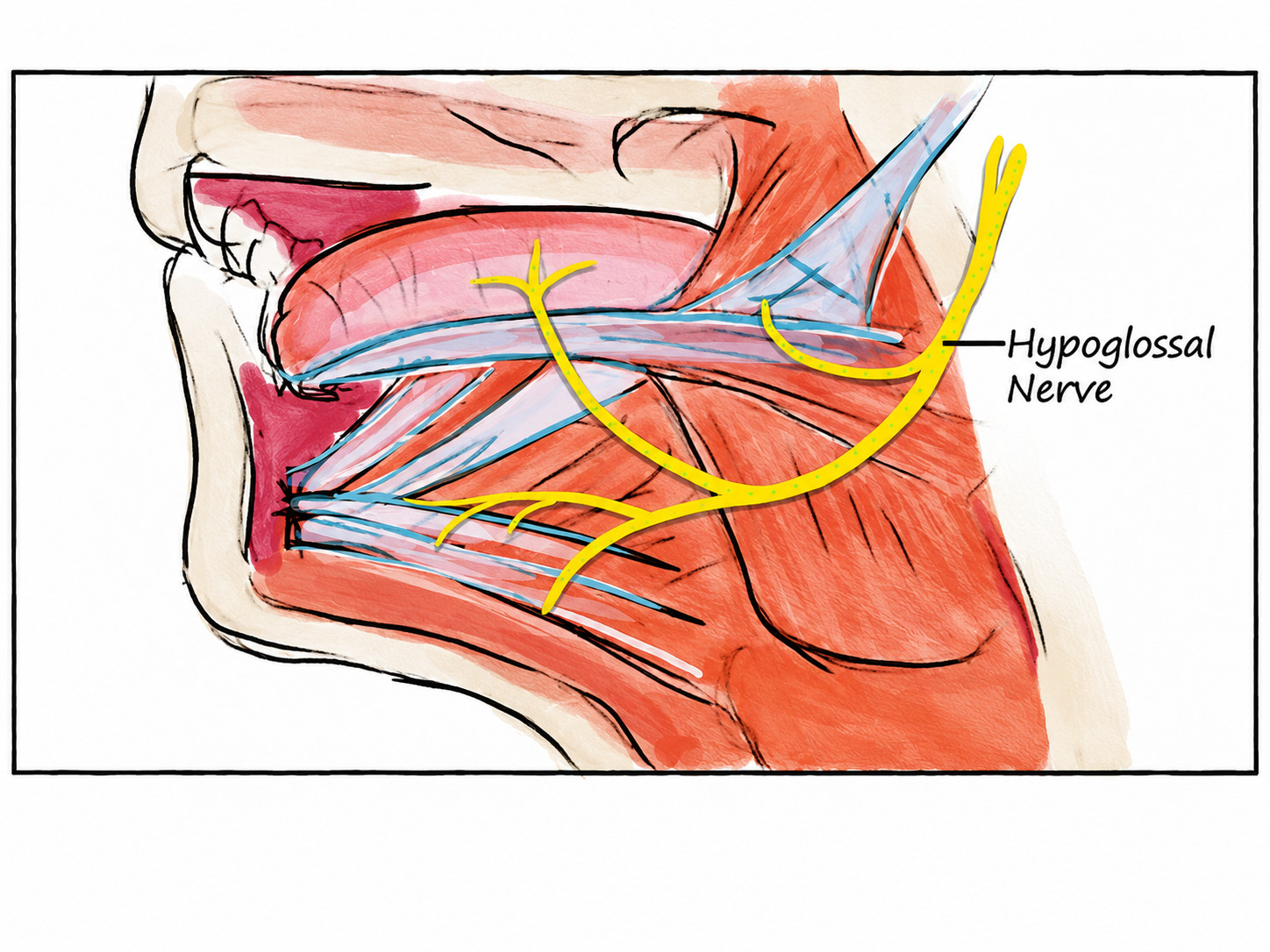
Storyboard: tongue musculature and the hypoglossal nerve.
Planning the Device Placement and Electrode Visualization
The storyboard then illustrates how the cuff electrode relates to the proximal hypoglossal nerve, including a magnified view of the electrode and its internal stimulation concept.
For medical device animation, planning these relationships early is especially important. Device positioning, anatomical context, and camera direction must support a scientifically coherent explanation rather than simply creating an attractive product view.
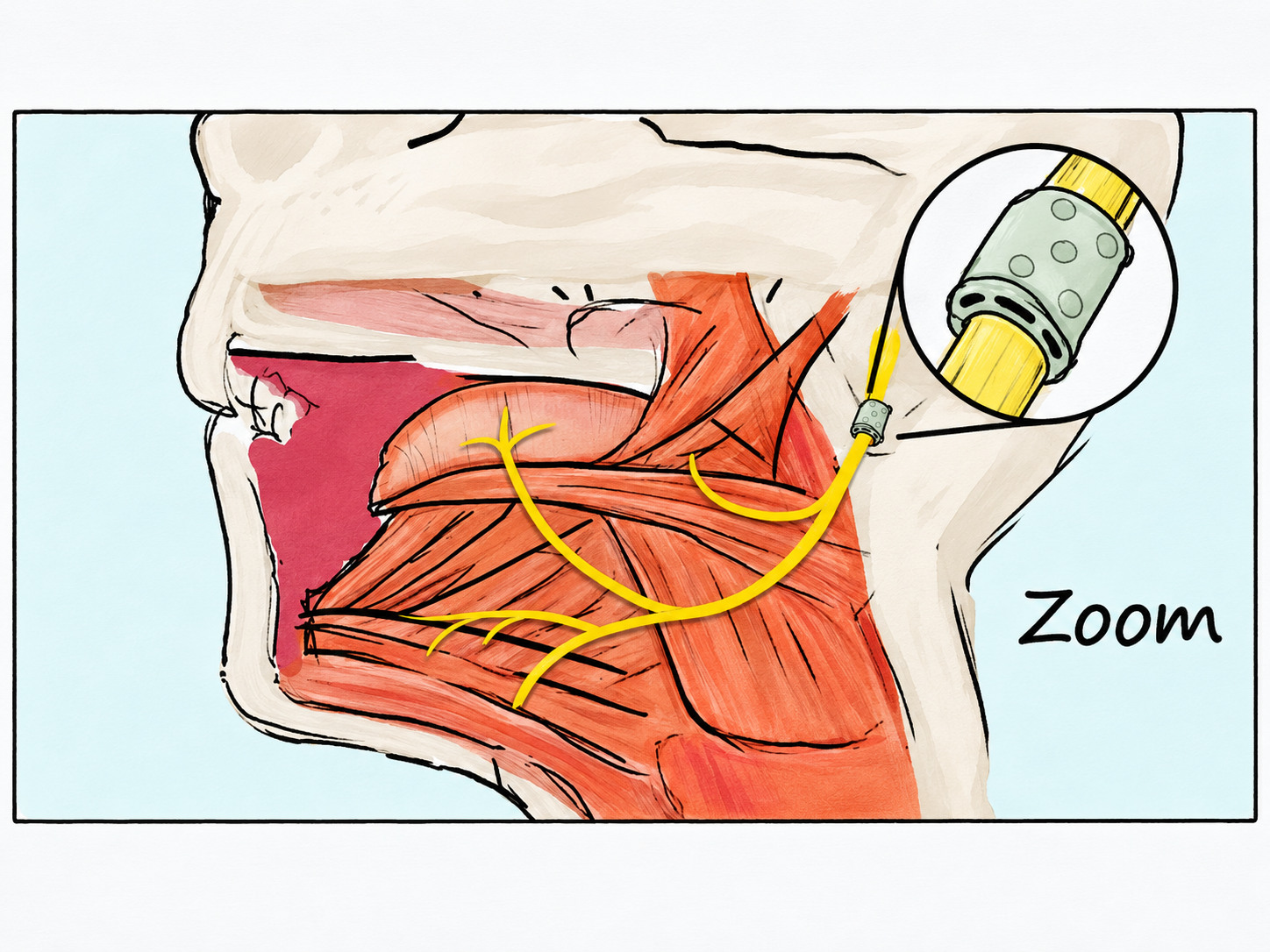
Storyboard: proposed cuff electrode positioning along the hypoglossal nerve.
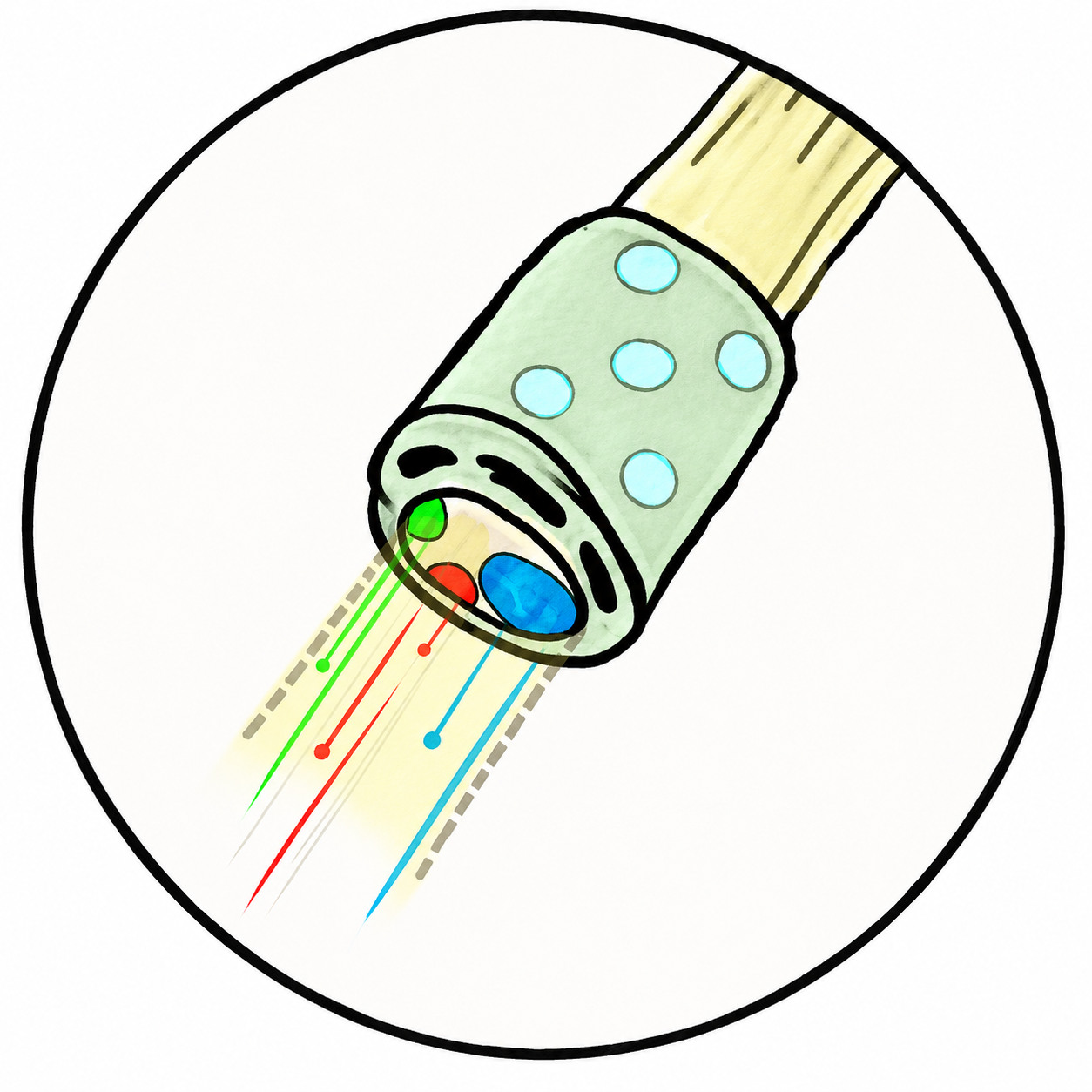
Storyboard: magnified view of the cuff electrode concept.
Visualizing the Mechanism of Action in 3D
The mechanism of action sequence uses color-coded muscle groups, nerve pathways, and directional arrows to explain how selective stimulation is intended to activate muscles involved in tongue position and airway opening.
The next storyboard frame shows the intended result: the tongue moves forward and airflow passes through an open upper airway. The before-and-after visual structure connects device function to the anatomy involved in obstructive sleep apnea.
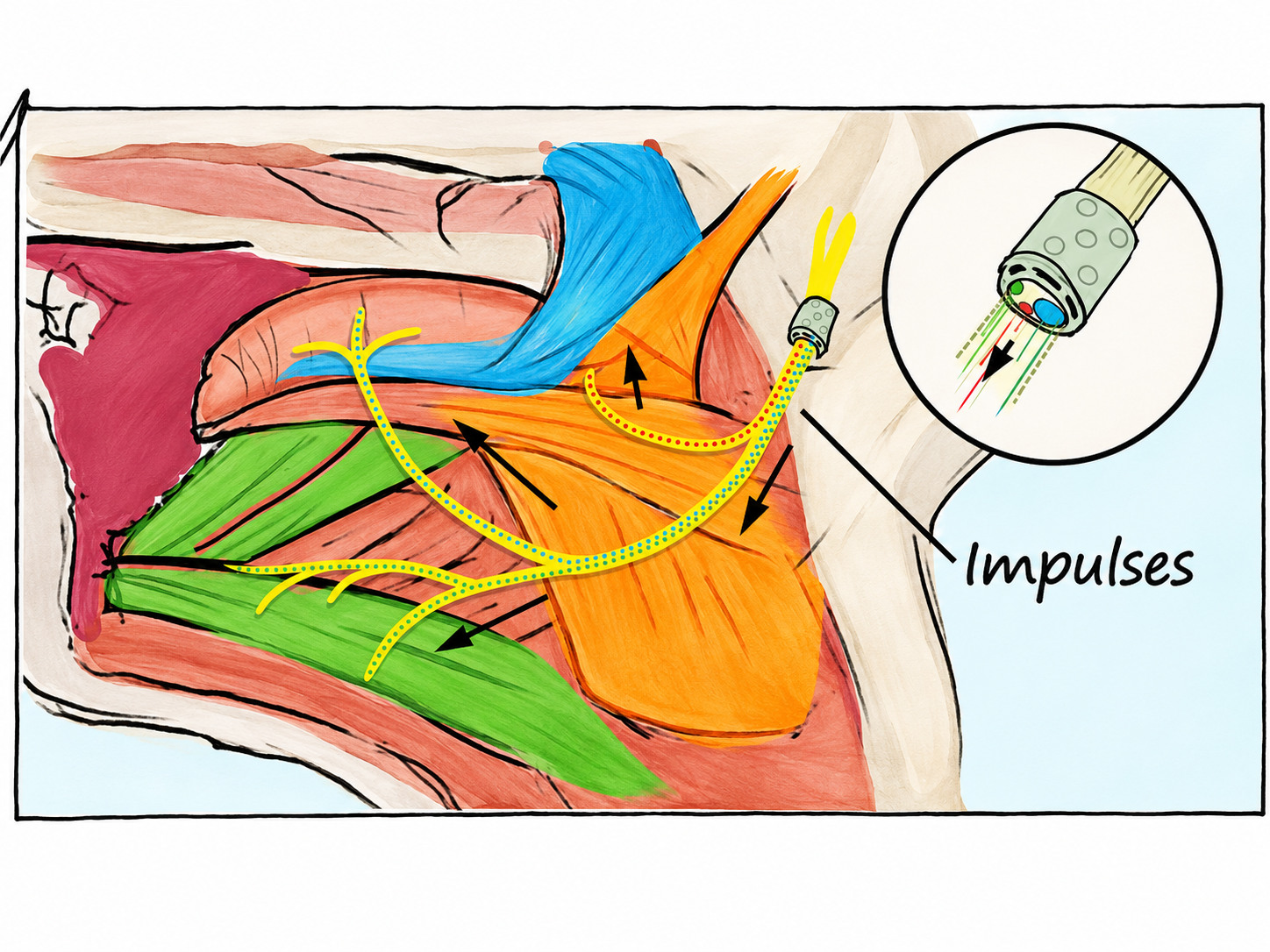
Storyboard: selective electrical stimulation of tongue muscle groups.
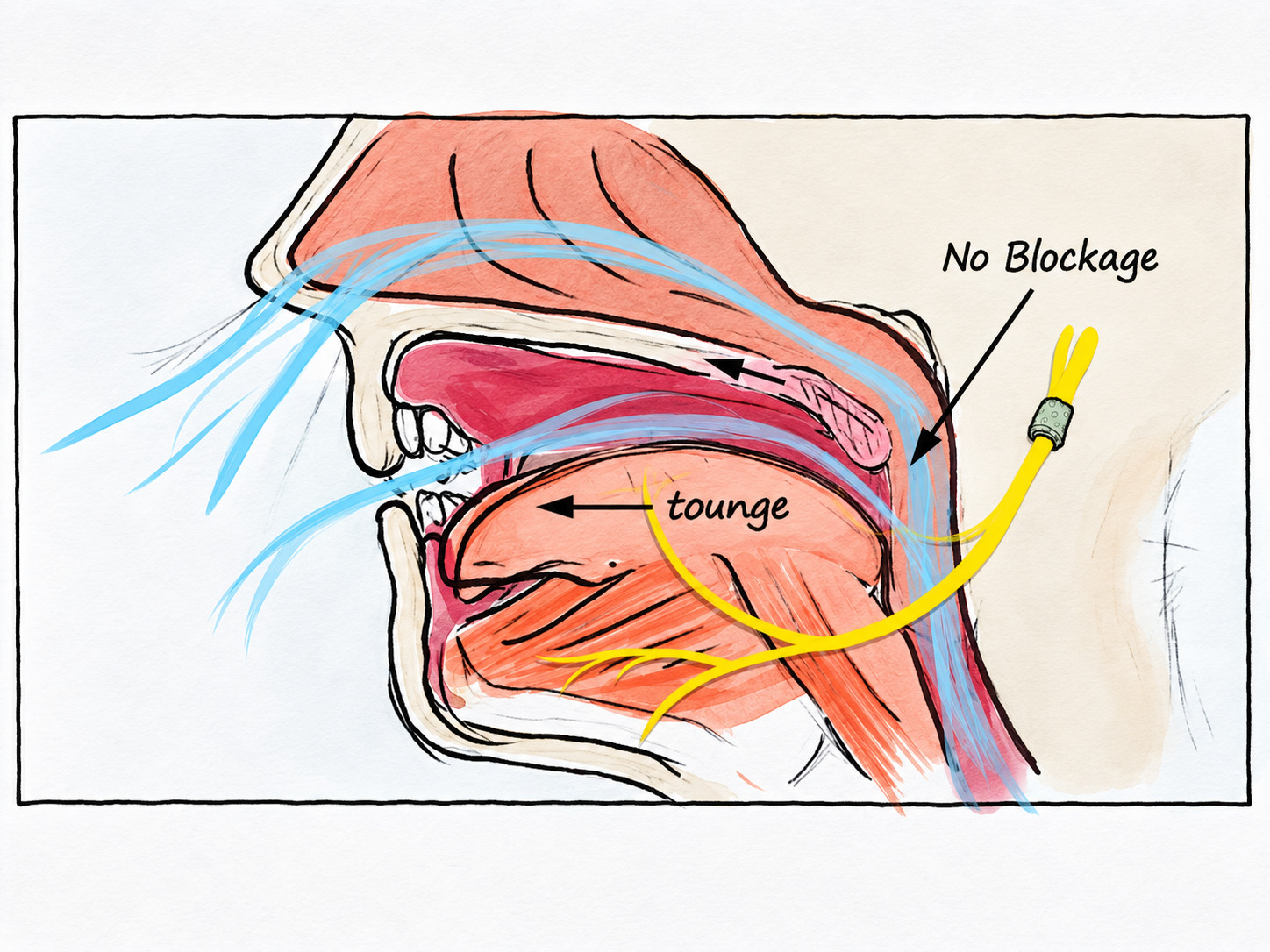
Storyboard: tongue advancement and the intended restoration of airflow.
The Result: Clear Scientific Communication
The final sequence returns to the person sleeping, completing a concise narrative from the problem, through device mechanism, to its intended therapeutic purpose.
This project illustrates the value of pairing scientific expertise with visual planning. A well-developed storyboard gives the medical device manufacturer and creative team a common foundation for translating detailed anatomy and engineering into cinematic medical animation for HCP education, scientific communication, and product presentations.
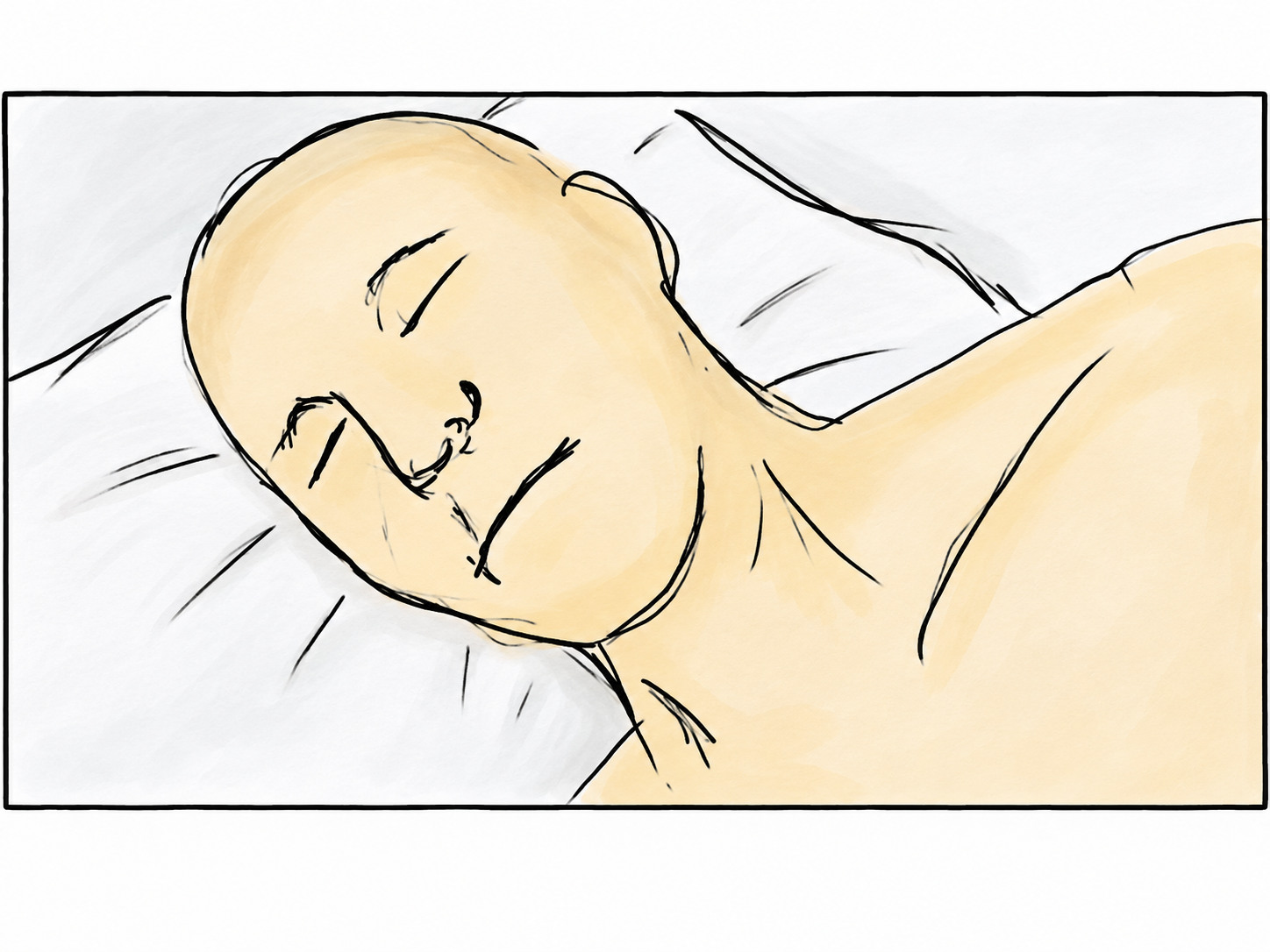
Storyboard: the closing image of a person sleeping.
Why an Experienced Medical Animation Studio Matters
Medical device animation requires precise interpretation of technical information, thoughtful camera direction, and close collaboration among scientific, engineering, and creative teams. An experienced studio can anticipate visualization challenges before full production and turn complex feedback into practical animation decisions.
Intervoke creates 3D medical animation, medical device animation, Mechanism of Action (MoA) animation, surgical visualization, interactive 3D experiences, and custom healthcare applications for pharmaceutical, biotechnology, medical device, and life sciences organizations.
Let’s Get Started
Interested in learning more about how Intervoke can bring your science to life?
Contact us or book a Discovery Call to get started.


