.svg)
The Shift From Content Creation to Scientific Communication Infrastructure
Building Scalable Scientific Communication With Intervoke
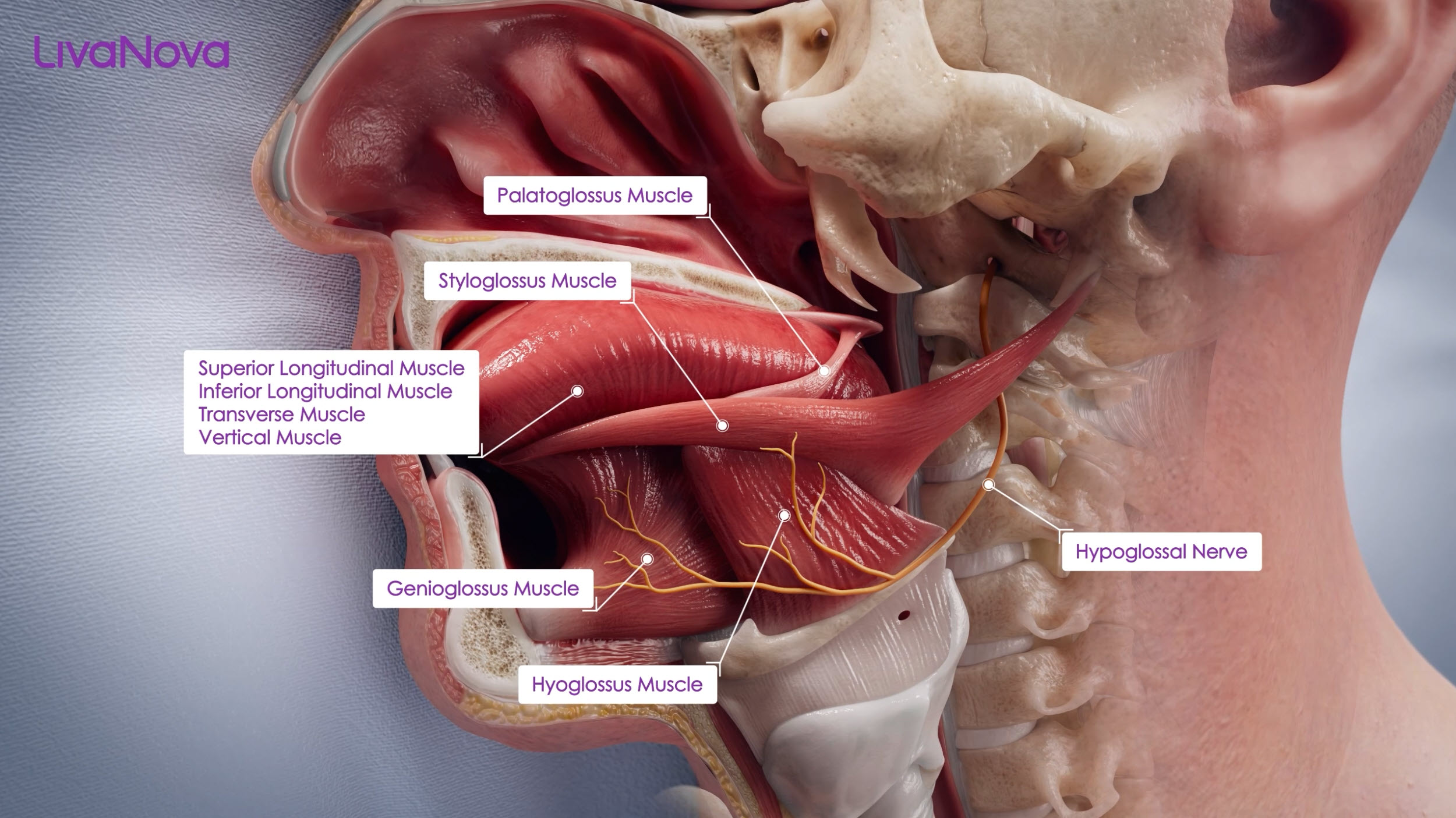
The biggest challenge facing life sciences organizations is no longer creating content. It's scaling scientific communication.
Pharmaceutical, biotechnology, and medical device companies spend millions of dollars each year developing educational materials, medical animations, training resources, and marketing content. Yet much of that investment is tied to one-time projects that serve a single audience, campaign, or initiative before requiring additional resources to recreate similar information elsewhere.
As healthcare becomes increasingly digital and omnichannel engagement becomes the norm, organizations are discovering that creating more content is not the answer. The future lies in building scientific communication infrastructure—reusable platforms, assets, and experiences that transform scientific knowledge into a scalable organizational resource.
What Is Scientific Communication Infrastructure?
Scientific communication infrastructure is a reusable ecosystem of scientific assets, interactive technologies, educational software, and digital platforms that enable life sciences organizations to communicate complex science across multiple audiences, channels, and initiatives.
Unlike traditional content creation, which often focuses on producing a single deliverable for a specific purpose, scientific communication infrastructure is designed for long-term scalability. Scientific visualizations, medical animations, interactive anatomy experiences, immersive educational software, and virtual training environments can be deployed across healthcare professional training, Medical Affairs programs, patient education initiatives, healthcare marketing campaigns, congress presentations, websites, patient portals, and learning management systems.
At Intervoke, we view scientific communication as more than a collection of individual projects. By developing reusable medical animations, scientific visualizations, interactive software, and immersive educational experiences, organizations can build a centralized communication ecosystem that supports multiple audiences and initiatives from a common scientific foundation.
Rather than creating new content every time a communication need arises, life sciences organizations can leverage a scalable library of scientific assets that evolves alongside their products, therapies, and educational goals. This approach improves consistency, accelerates deployment, increases return on investment, and transforms scientific communication from a recurring expense into a long-term strategic asset.
The Limitations of Traditional Content Creation
Historically, scientific communication has been managed as a series of isolated projects. A pharmaceutical company might commission a mechanism of action animation for a product launch, create separate materials for Medical Affairs, develop independent resources for patient education, and then build entirely new assets for healthcare providers or conference presentations.
While each initiative may be successful on its own, the process often creates fragmented content ecosystems. Teams frequently recreate the same scientific concepts in different formats for different audiences. Valuable scientific assets become locked within individual projects, making them difficult to update, expand, or repurpose.
As a result, organizations face rising production costs, longer approval cycles, inconsistent messaging, and limited scalability. Every new campaign requires additional investment, even when much of the underlying science remains unchanged.
This approach was manageable when communication channels were limited. Today, organizations must support websites, learning management systems, virtual events, patient portals, sales enablement programs, congress exhibits, healthcare professional education, and omnichannel marketing strategies simultaneously.
The traditional content creation model is struggling to keep pace.
Why Life Sciences Organizations Are Making the Shift
The demand for scientific communication has never been greater. Medical Affairs teams are expected to deliver educational experiences that engage healthcare professionals beyond static presentations. Marketing teams must communicate increasingly complex science across digital channels. Patients are seeking more accessible and interactive educational resources. Internal teams require consistent training materials that can be updated quickly as therapies and products evolve.
At the same time, organizations are under pressure to maximize return on investment from every scientific communication initiative.
This has led many pharmaceutical, biotechnology, and medical device companies to rethink how they create and manage content. Instead of funding disconnected projects, they are investing in reusable communication systems that can support multiple audiences and objectives from a common scientific foundation.
The result is greater efficiency, improved consistency, and the ability to scale scientific communication without continually rebuilding assets from scratch.
From Content Assets to Scientific Ecosystems
The shift from content creation to infrastructure represents a fundamental change in how organizations view scientific communication.
In the traditional model, content is often created for a specific campaign or initiative and then archived once the project concludes. The value of the asset is tied directly to that single use case.
In an infrastructure-based model, scientific assets become part of a larger ecosystem.
A mechanism of action animation can be transformed into an interactive training experience for healthcare professionals. The same scientific content can support patient education, sales enablement, Medical Affairs presentations, congress exhibits, and digital marketing campaigns. A 3D anatomical model can become the foundation for multiple educational initiatives across departments and channels.
By designing content for reuse rather than replacement, organizations can significantly extend the lifespan and value of their scientific communication investments.
The Rise of Interactive Scientific Communication
One of the key drivers behind scientific communication infrastructure is the growing adoption of interactive medical education and immersive scientific visualization.
Healthcare professionals increasingly expect educational experiences that allow them to explore information at their own pace. Interactive anatomy, therapeutic visualizations, virtual simulations, and browser-based learning environments provide a deeper level of engagement than traditional passive content.
Patients also benefit from more intuitive educational experiences that transform complex scientific concepts into understandable visual narratives. Interactive tools can improve comprehension, increase engagement, and help individuals make more informed healthcare decisions.
For organizations, interactive scientific communication offers another significant advantage: adaptability. Content can be updated, customized, localized, and deployed across multiple channels without recreating entire projects.
This flexibility is becoming essential as life sciences organizations continue to expand their digital engagement strategies.
How Medical Animation Fits Into Scientific Communication Infrastructure
Medical animation remains one of the most effective tools for communicating complex biological processes, therapeutic mechanisms, and medical technologies. However, its role is evolving.
Historically, medical animations were often produced as standalone videos for conferences, websites, or product launches. Today, organizations are increasingly integrating medical animation into larger scientific communication ecosystems.
Animation assets can be repurposed into interactive learning modules, embedded educational experiences, healthcare professional training platforms, patient education portals, and immersive scientific presentations. By building animations with long-term scalability in mind, organizations can extend their value far beyond a single campaign.
This shift enables life sciences companies to maximize their investment while maintaining scientific accuracy and consistency across every audience touchpoint.
What Does the Future of Scientific Communication Look Like?
The future of scientific communication is not about producing more content. It is about creating smarter systems for deploying and managing scientific knowledge.
Organizations that invest in scientific communication infrastructure will be better positioned to support healthcare professional education, Medical Affairs initiatives, patient engagement, internal training, healthcare marketing, and congress communications from a unified foundation.
As artificial intelligence, interactive technologies, and digital learning platforms continue to evolve, the organizations that succeed will be those that can adapt quickly, maintain consistent scientific messaging, and scale educational experiences across multiple channels.
Scientific communication is becoming a strategic asset rather than a collection of individual projects.
Building Scalable Scientific Communication With Intervoke
Intervoke helps pharmaceutical, biotechnology, medical device, and healthcare organizations communicate complex science through medical animation, scientific visualization, interactive medical education software, and immersive healthcare experiences.
Rather than developing one-off assets that serve a single purpose, Intervoke helps organizations build scalable scientific communication ecosystems that support Medical Affairs, healthcare professional training, patient education, healthcare marketing, investor communications, conferences, congresses, and learning management systems.
From mechanism of action animation and therapeutic visualization to interactive anatomy platforms and immersive educational experiences, Intervoke enables life sciences teams to transform scientific content into reusable infrastructure that can scale across every audience and channel.
As the industry continues to evolve, the organizations that move beyond content creation and embrace scientific communication infrastructure will be best positioned to educate, engage, and communicate complex science at scale.
Let’s Get Started
Interested in learning more about how Intervoke can bring your science to life?
Contact us or book a Discovery Call to get started.


.png)
.png)

.png)

